Program Structure
The UW Radiation Oncology Residency Program provides comprehensive training in clinical radiation oncology. Residents develop expertise in the indications for radiation therapy, treatment planning, and the multidisciplinary management of cancer across all stages of disease.
Throughout residency, trainees care for patients with a wide range of malignancies, including:
- Breast
- Central nervous system
- Gastrointestinal
- Genitourinary
- Gynecologic
- Head and neck
- Lung and thoracic
- Pediatric
- Skin
- Soft tissue and bone
- Hematologic and lymphoid cancers
Residents gain experience in:
- Radiation treatment planning and dose optimization
- Normal tissue tolerance and tumor response to radiation
- Combined-modality cancer treatment
- Conventional and altered fractionation approaches
- Evidence-based clinical decision-making
Training includes advanced radiation therapy techniques such as:
- Stereotactic radiosurgery (SRS)
- Stereotactic body and fractionated radiotherapy (SBRT/SRT)
- Three-dimensional conformal radiation therapy (3D-CRT)
- Intensity-modulated radiation therapy (IMRT)
- High-dose-rate brachytherapy
- Total body irradiation
- Total skin irradiation
- Plaque brachytherapy and other specialized techniques
Residents also develop expertise in external beam radiation therapy, simulation, treatment localization, and computerized treatment planning.
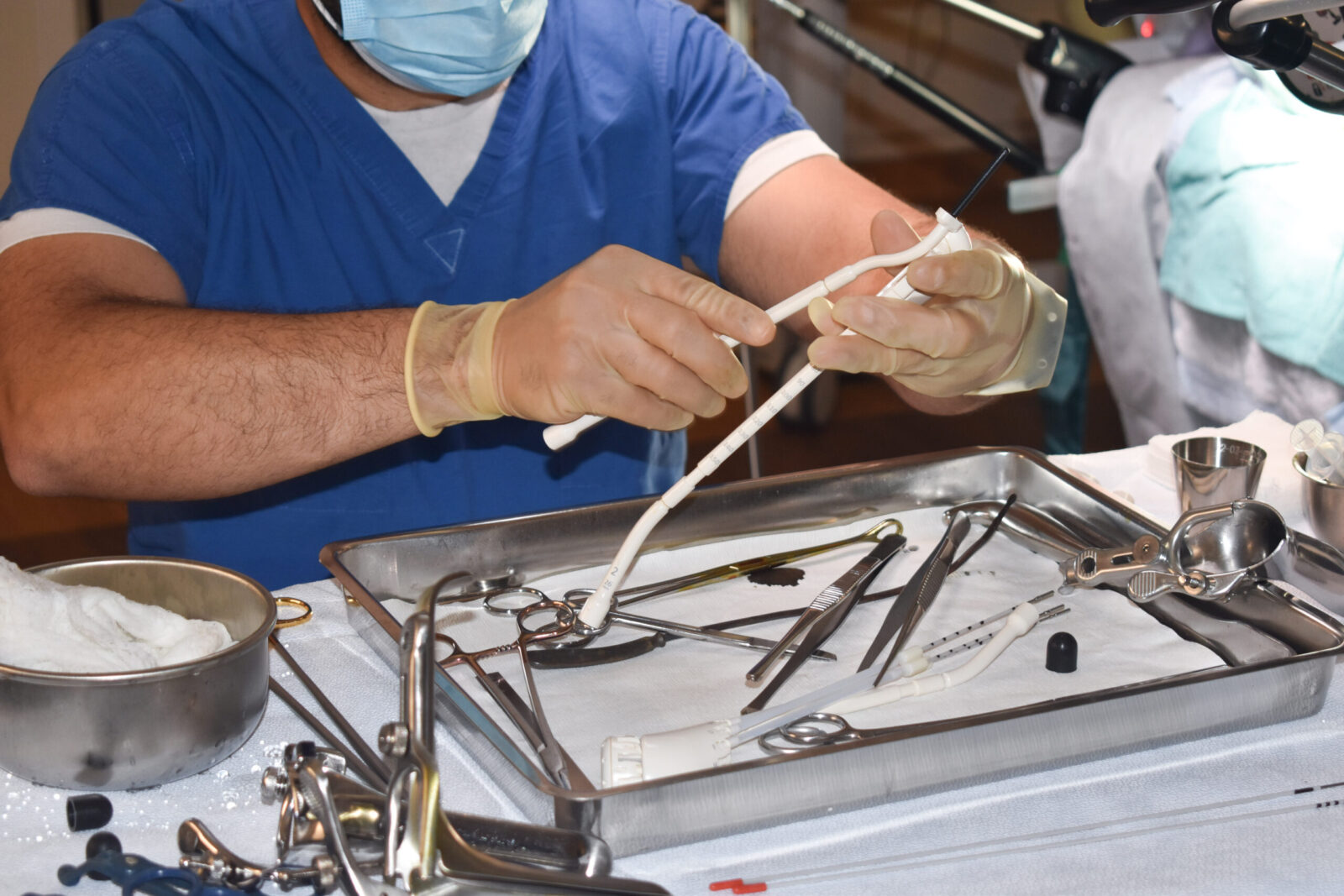
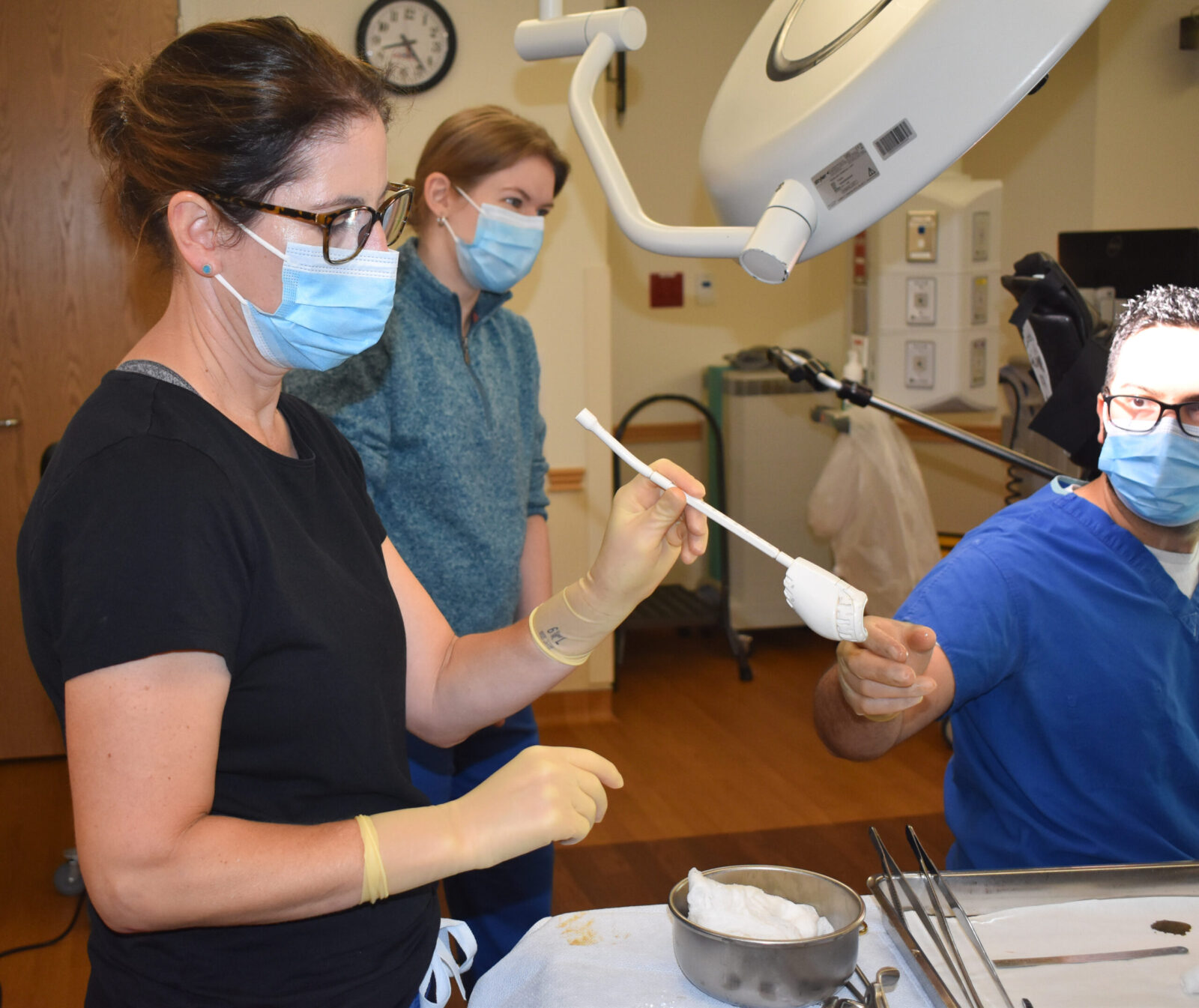
Through our robust brachytherapy and special procedures programs, residents gain substantial hands-on procedural experience. Faculty provide direct supervision and progressive responsibility as residents develop competency in treatment setup, intracavitary brachytherapy, and interstitial brachytherapy. Residents maintain procedural logs and exceed ACGME minimum requirements through dedicated clinical experience.
Program Details
- Program Structure
- Program Aims
- Overview of PGY1
- Clinical Rotations
- Resident Education
- Radiation Physics Education
- Radiation Biology Education
- Radiation Oncology Physics Board Review