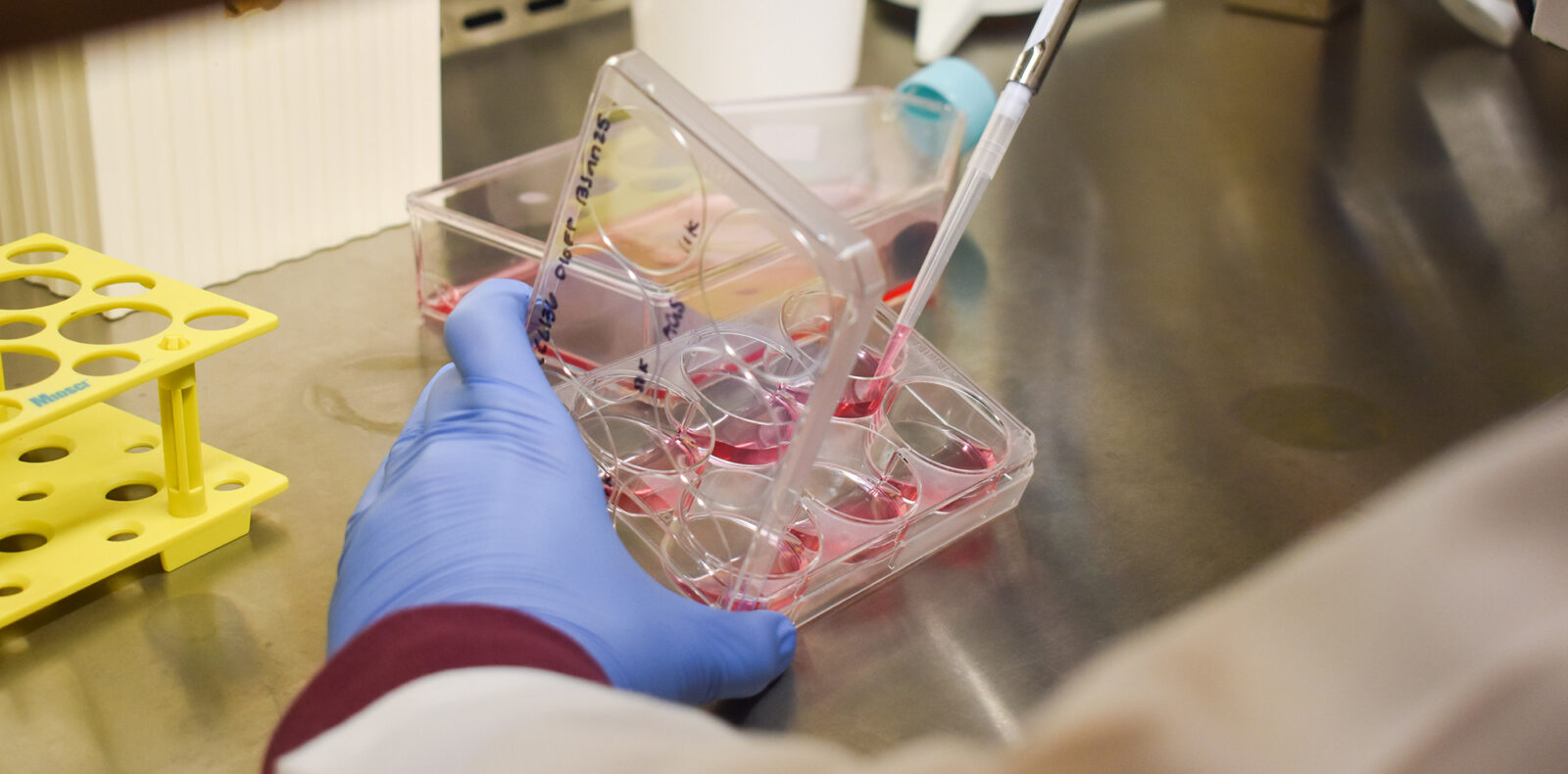
Cancer Biology Research
Our mission is to advance the understanding of how cancer develops, grows and spreads and to use that knowledge to better prevent, diagnose and treat it.
The Cancer Biology Division’s principal investigators study the factors and processes that affect the development, proliferation and spread of cancer. These scientists use proteomic and genomic screening, advanced mouse models and studies of human tissues to advance knowledge in radiation biology, genomics, molecular targeting and immunology. They work with clinical partners to design and execute clinical trials aimed at finding better ways to prevent, diagnose and treat cancer.
The division has a distinguished history of translational research that has helped advance the treatment of head and neck, lung, breast, skin and prostate cancers. It’s a rich environment that offers exceptional educational opportunities for undergraduates, graduates and postdoctoral fellows.
Faculty Labs
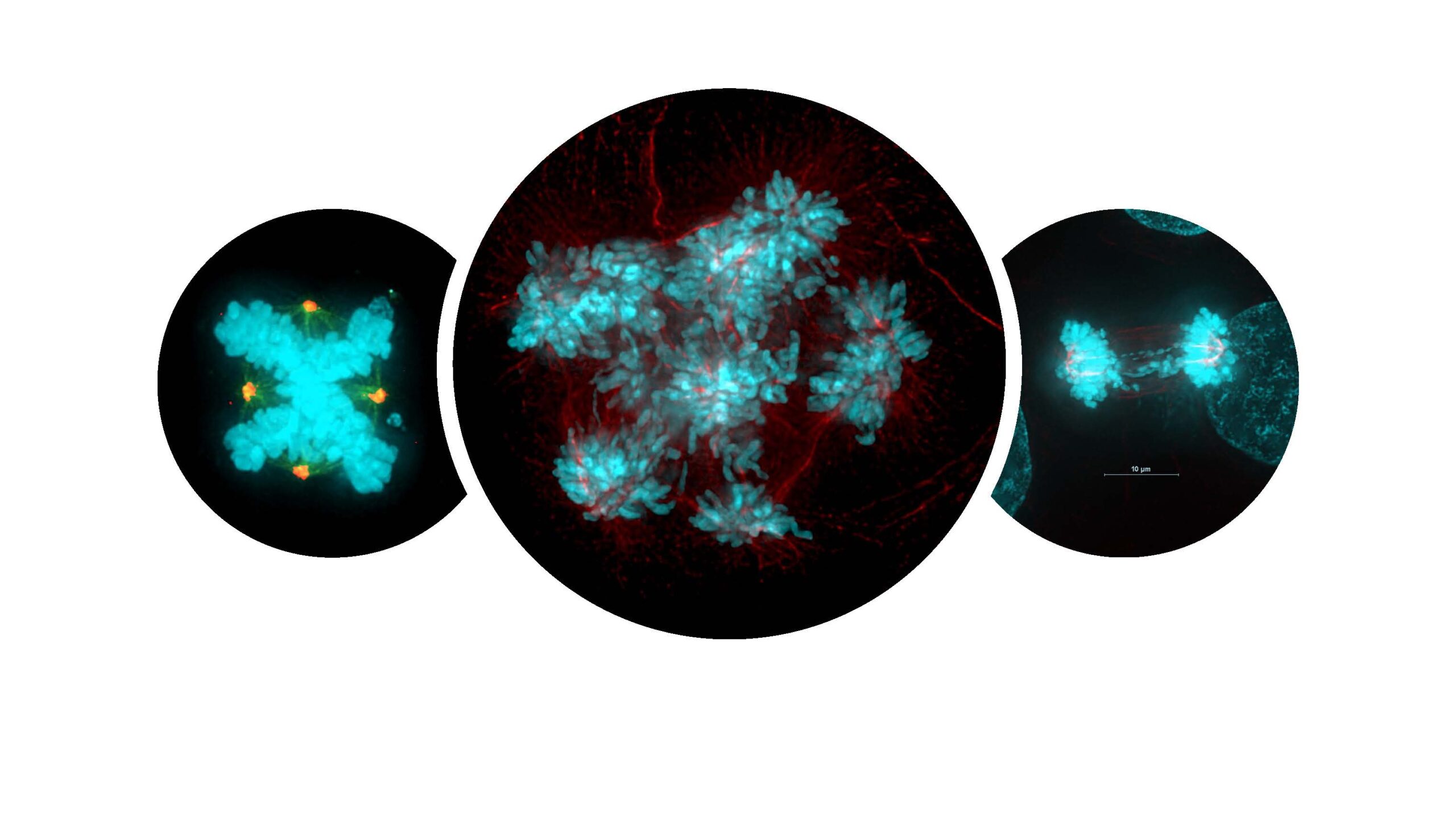
Cosper Lab
The Cosper Lab studies chromosomal instability induced by external beam radiation and radiopharmaceutical therapy as well as how this can be exploited to enhance cancer cell death.
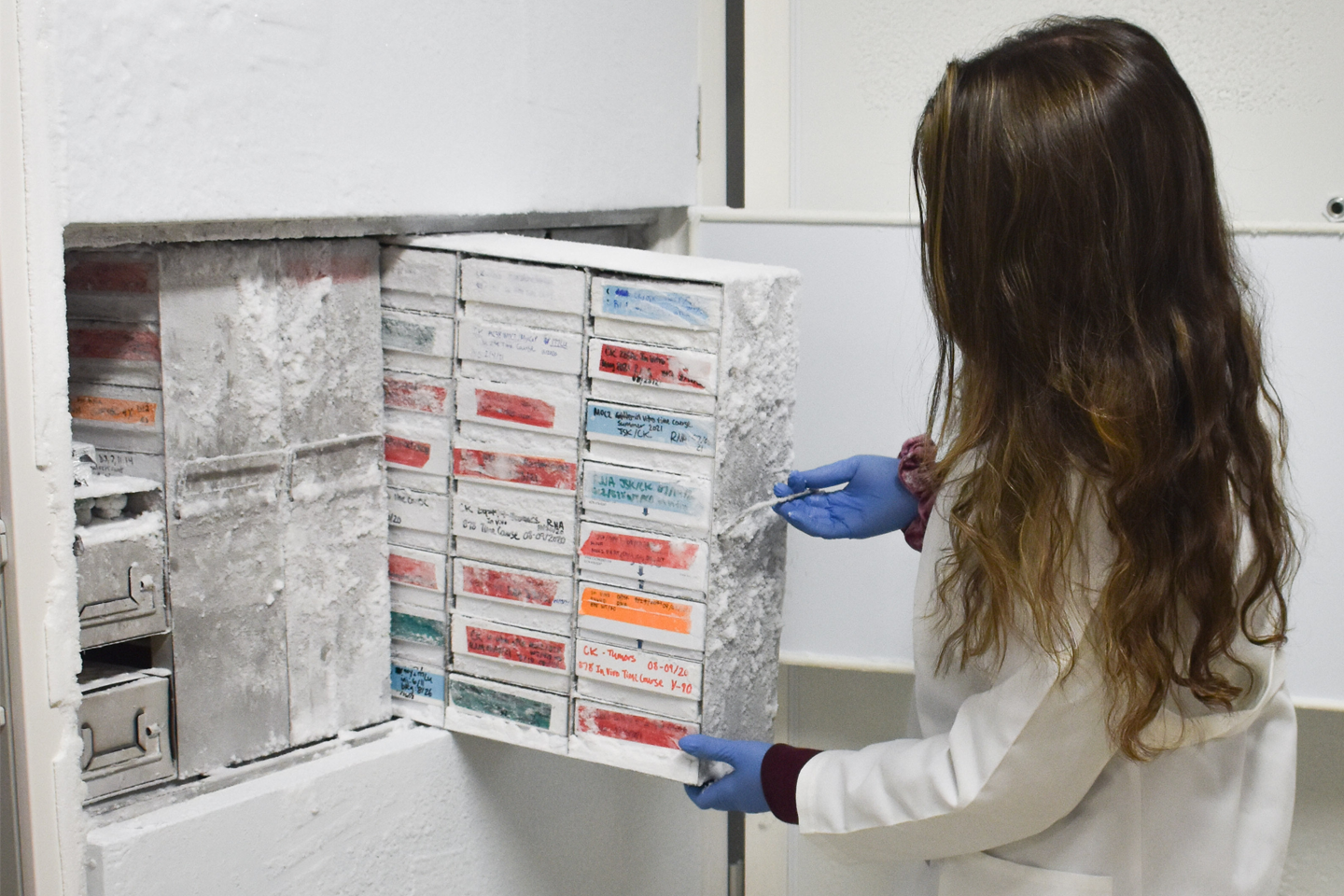
Morris Lab
The Morris lab investigates the immuno-radiobiological effects of radiation therapies and leads translational preclinical and early phase clinical investigations of novel therapeutic approaches with the goal of improving treatment options for some of the most challenging forms of cancer.
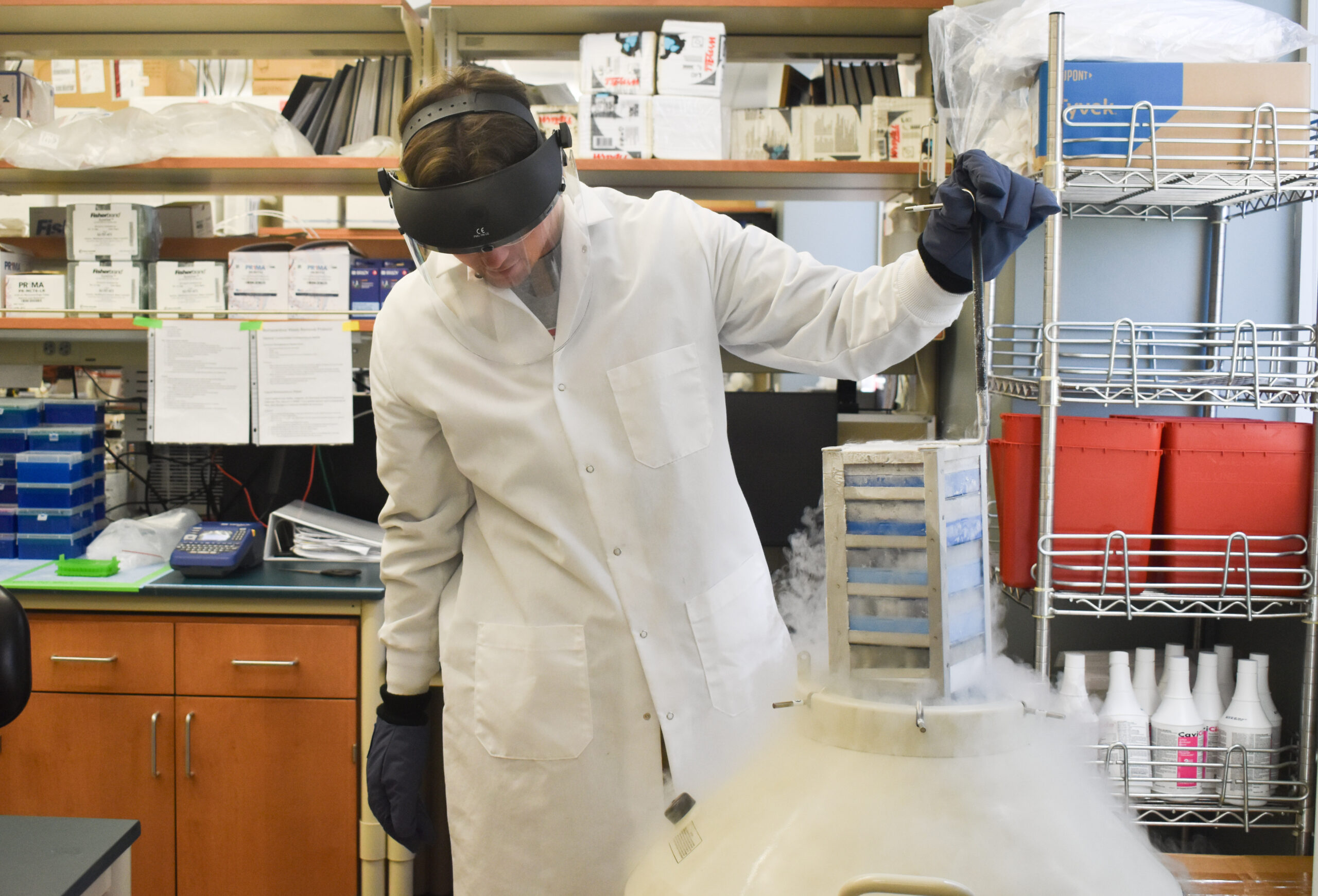
Sodji Lab
The Sodji Lab develops next-generation adoptive cell therapies including CAR T cells and investigates how radio-pharmaceutical therapy (RPT) can enhance their activity in solid tumors.
Tibbetts Lab
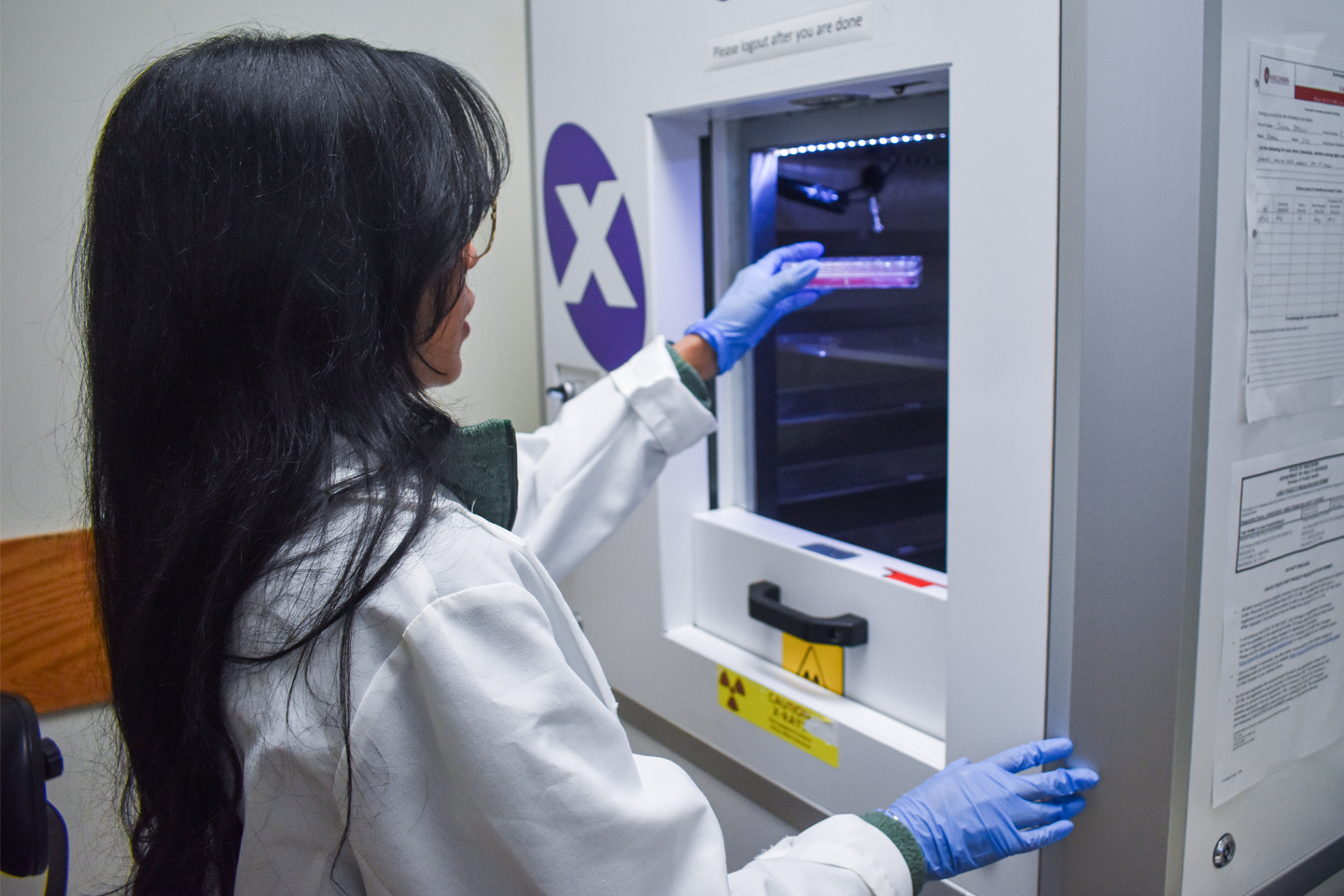
The Tibbetts Lab studies growth control and DNA repair pathways that become disrupted in cancer cells while maintaining secondary interests in neurodegenerative disease.
Wheeler Lab
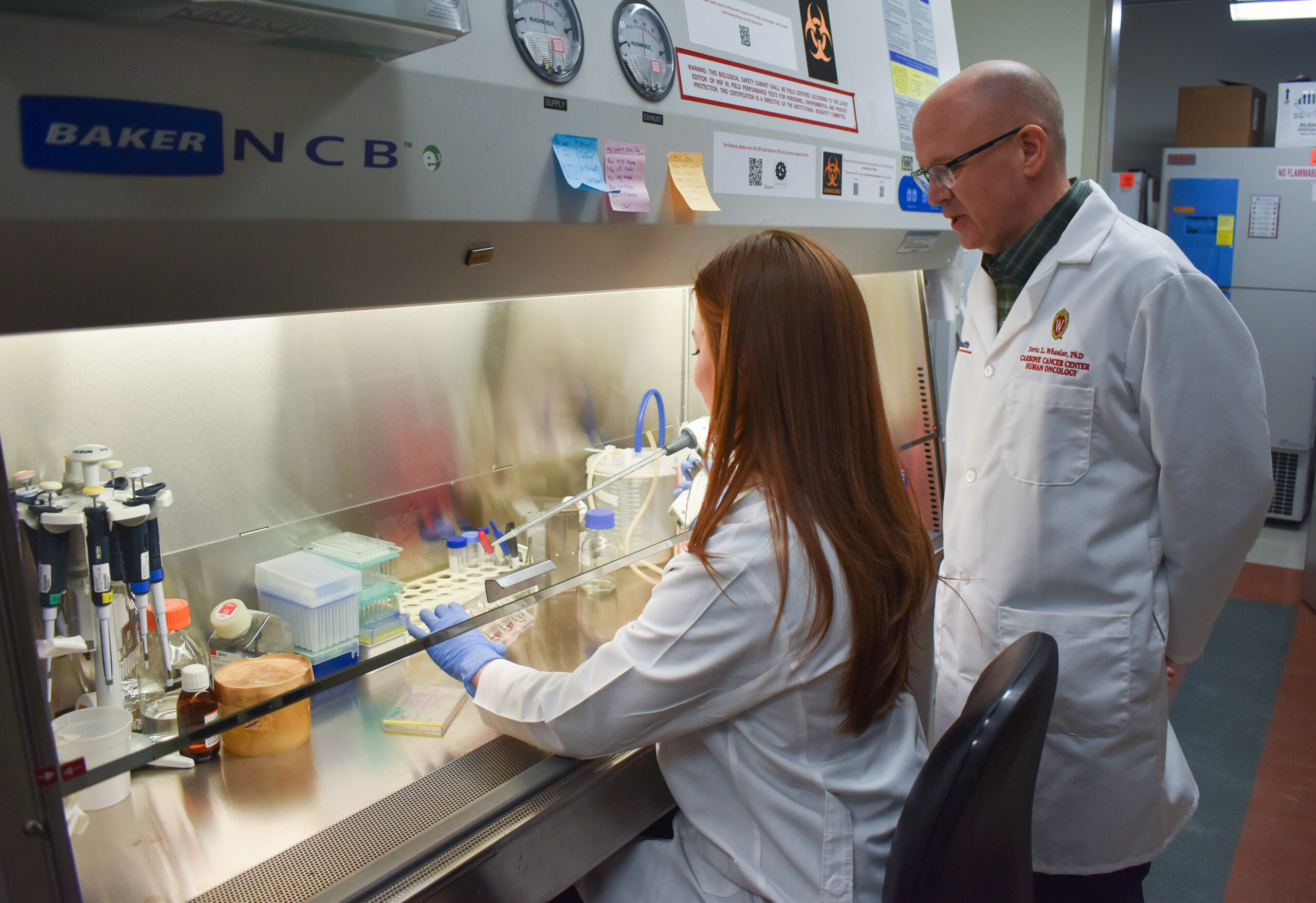
The Wheeler Laboratory investigates receptor tyrosine kinase signaling, tumor immune evasion, and therapeutic resistance in head and neck and triple-negative breast cancers to develop more effective translational cancer therapies.