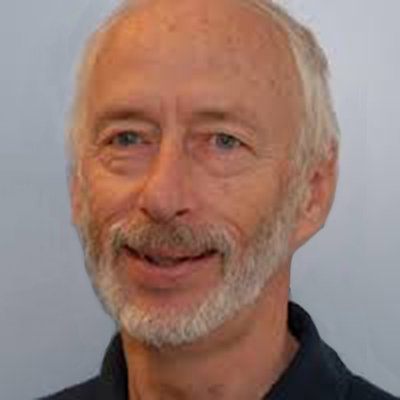
Albert van der Kogel
PhD
Professor (CHS)
Biography
During my active career my research has focused on two main areas. The first is on the effects of radiation on normal tissues, particularly the central nervous system and the various factors that determine the tolerance of the spinal cord. The spinal cord is probably the most critical normal tissue in radiation oncology, and my research has largely contributed to optimizing treatment of cancer close to the spine and preventing the development of debilitating complications. In addition to addressing important questions related to clinical radiation treatments, this research has elucidated the mechanisms and cellular basis of various radiation-induced changes in the CNS. My other research has aimed at overcoming radiation resistance mechanisms related to the tumor microenvironment, which are known to be mostly tumor hypoxia and proliferation. To study these aspects in a clinically relevant setting, my lab has developed a panel of patient-derived tumor xenografts that reflect the clinical heterogeneity of individual patients. The overall aim of this research has been to test new therapeutic modalities and develop assays to individualize treatment based on tumor biopsies and molecular imaging. Since my retirement in the Netherlands, I have had a part-time appointment in the UW Department of Radiation Medicine, where I consult and collaborate on various research projects and teach radiobiology courses for medical physics undergraduates and graduates and radiation oncology residents.
Research interests
- Effects of Radiation on Normal Tissue, Particularly the Central Nervous System
- Tumor Microenvironment
Education
- PhD, University of Amsterdam, Radiation Biology
- MS, Free University of Amsterdam, Zoology and Radiation Biology
Honors and Awards
- ESTRO Lifetime Achievement Award (2013)
- ESTRO Honorary Physicist Award (2011)
- ICRU Gray Medal (2009)
- ESTRO Gold Medal, 13th Annual meeting of the European Society of Therapeutic Radiology and Oncology (1994)