Meet the Experts: Ian Morton
Radiation Medicine is built on collaboration. Beyond physicians and physicists, an entire team of specialists plays a vital role in advancing patient care. This series shines a spotlight on those professionals—their responsibilities, their expertise, and the people behind the titles. Our goal is to help you appreciate the depth and diversity of work that makes Radiation Medicine possible. From guiding residency applicants and coordinating clinical trials to ensuring accurate radiation dosing and delivering exceptional nursing care, our faculty and staff cover it all.
This month, we’re excited to introduce Ian Morton, Medical Physics Assistant and our August Expert!
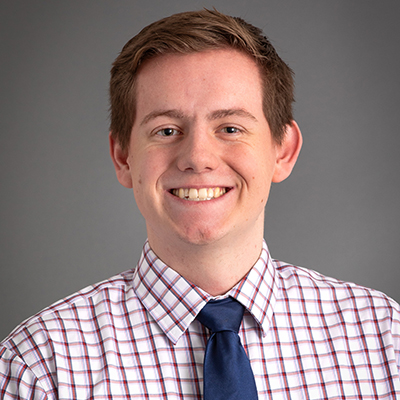
1. What is your title and which areas of the Department of Radiation Medicine (DRM) do you work within?
I am a Medical Physics Assistant and work on clinical treatment machines and quality assurance (QA) devices. I assist the physics team with routine machine QA and perform patient-specific QA on the TrueBeam LINACs after treatment hours.
2. What drew you to the field?
I was initially drawn to radiation medicine from a strong interest in diagnostic imaging equipment. The puzzle behind reconstructing an image, or interpreting data that we cannot visualize with the naked eye, is super interesting to me. Now, in addition to imaging science, I am also excited to see how much visualization, planning, and optimization goes into creating radiation therapy treatment plans.
3. What is something you look forward to in your job every day, week, month or year? What’s your favorite part?
Something I look forward to in my job every week is getting to help assist or see physicists and engineers replace LINAC parts and perform preventative maintenance. After the treatment day has ended, any work involving removing the panels or going inside the machine is always very cool to see. The inside of the LINAC is like a science fiction movie. There is always a new module or equipment part that I can learn about and come to appreciate the advanced engineering and planning behind it.
My favorite part of the job is getting to drive and operate the LINACs for patient-specific QA. Similar to participating in service and part replacements, operating the LINAC daily has slowly built a familiarity with the machine and allowed me to appreciate its many advanced and unique features.
4. What do you enjoy doing when you’re not working?
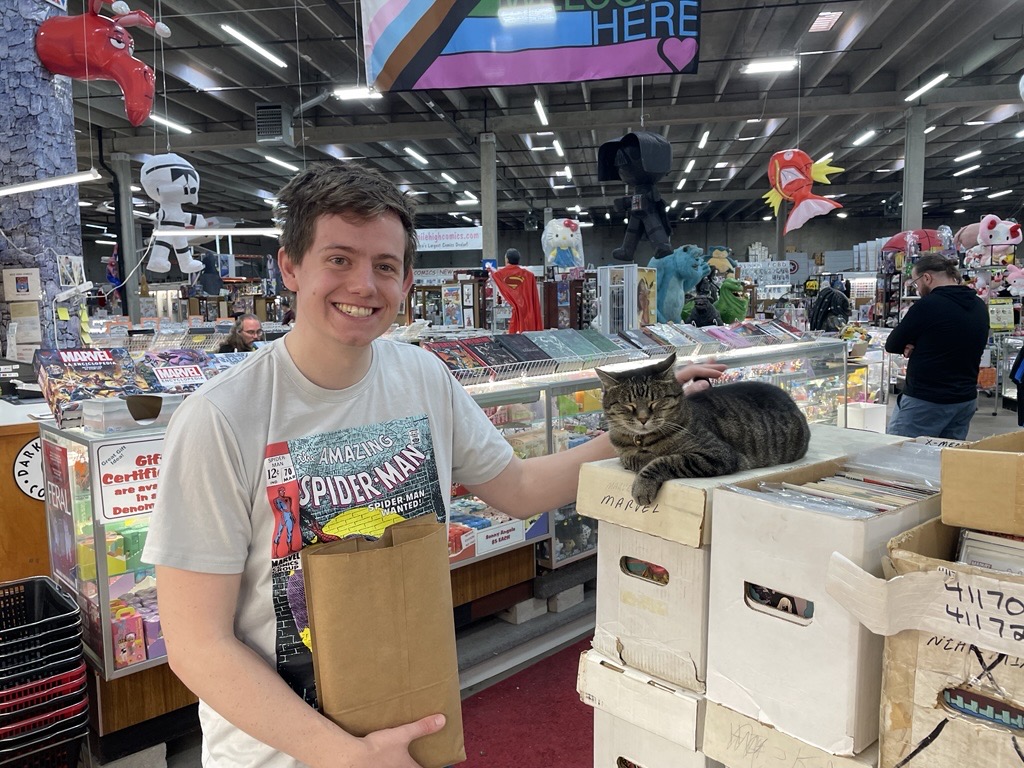
Outside of the clinic, I enjoy collecting comic books and drawing. When I am not working on a drawing myself, I like to see the art pieces hung outside the cafeteria at UH, and attend the summer art market on the square. My favorite comics from the past year have been Absolute Martian Manhunter and The Invisible Man.
5. What is your favorite piece of advice from a mentor or inspiring figure in your life?
My favorite piece of advice is to be a good “science husky”, which is a summary of the speech that Hazel Sive, the Dean of the College of Science, gave during my undergrad commencement. Her speech was a sweet reminder of the responsibility of using your curiosity and science skills to work towards a greater good and improving each other’s outcomes.
➡ Follow along as we feature a new expert every other month. Don’t miss the chance to learn more about the incredible people shaping Radiation Medicine!