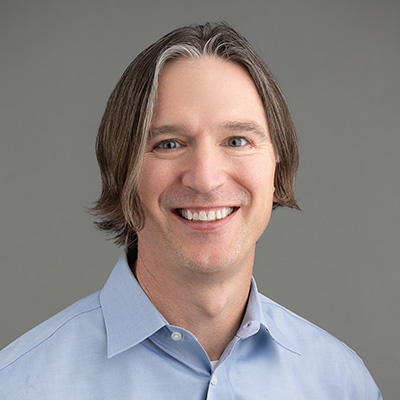
Michael Bassetti
MD, PhD
Associate Professor (CHS) | Director of the Radiation Oncology Residency Program
Biography
I am an associate professor in the Department of Radiation Medicine with a clinical focus on gastrointestinal cancers and research interests in MRI-guided radiation and immunotherapy. I have been developing the use of real-time MRI-guided radiation to reduce toxicity, maximize local control and improve patient outcomes. Additionally, I am involved in combining immunotherapies with anatomically targeted high-dose radiotherapy to improve the antigen specific T cell response.
Cancers of the gastrointestinal tract are in proximity to sensitive normal organs such as intestine, stomach, kidneys and the biliary system. Management of motion during radiation treatment is critical when treating abdominal cancers, which can be heavily influenced by diaphragmatic movement. With the advent of focused, high-dose, stereotactic body radiation therapy (SBRT), tracking the tumor and normal tissues during treatment is critical for the use of hypo-fractionated radiation into the abdomen. MRI guidance has the potential for improved patient alignment and the ability to directly visualize tumor position during radiotherapy treatment. It also allows a much clearer understanding of delivered dose to each organ aiding in our understanding of organ-specific dose tolerance and offering physicians the ability to rapidly alter the radiation treatment plan. I am investigating if this can be used to increase tumor control and decrease associated radiation related toxicity to normal organs. I have been heavily involved in developing clinical trials and protocols for the clinical use for MRI guidance in treatment of GI tumors.
A second research focus is combining stereotactic radiation treatment with immune checkpoint inhibitors. Focused radiation causes a multitude of immunomodulatory effects and there is strong support that this can be synergistic with T cell responses. PD-1 inhibitors that lower the threshold for a T cell response, are being investigated for synergy with radiation to colorectal and pancreatic cancers.
Clinical specialties
- Gastrointestinal Cancer
- Lung/Thoracic Cancer
Research interests
- MRI-Guided Radiation
- Immunotherapy
- Combining Stereotactic Radiation Treatment with Immune Checkpoint Inhibitors
Education
- Resident, University of Michigan, Radiation Oncology
- Postdoctoral Fellow, University of Michigan
- Fellow, University of Michigan, Internal Medicine
- PhD, University of Colorado–Denver, Immunology
- MD, University of Colorado Denver School of Medicine
- BS, University of Washington, Biochemistry